


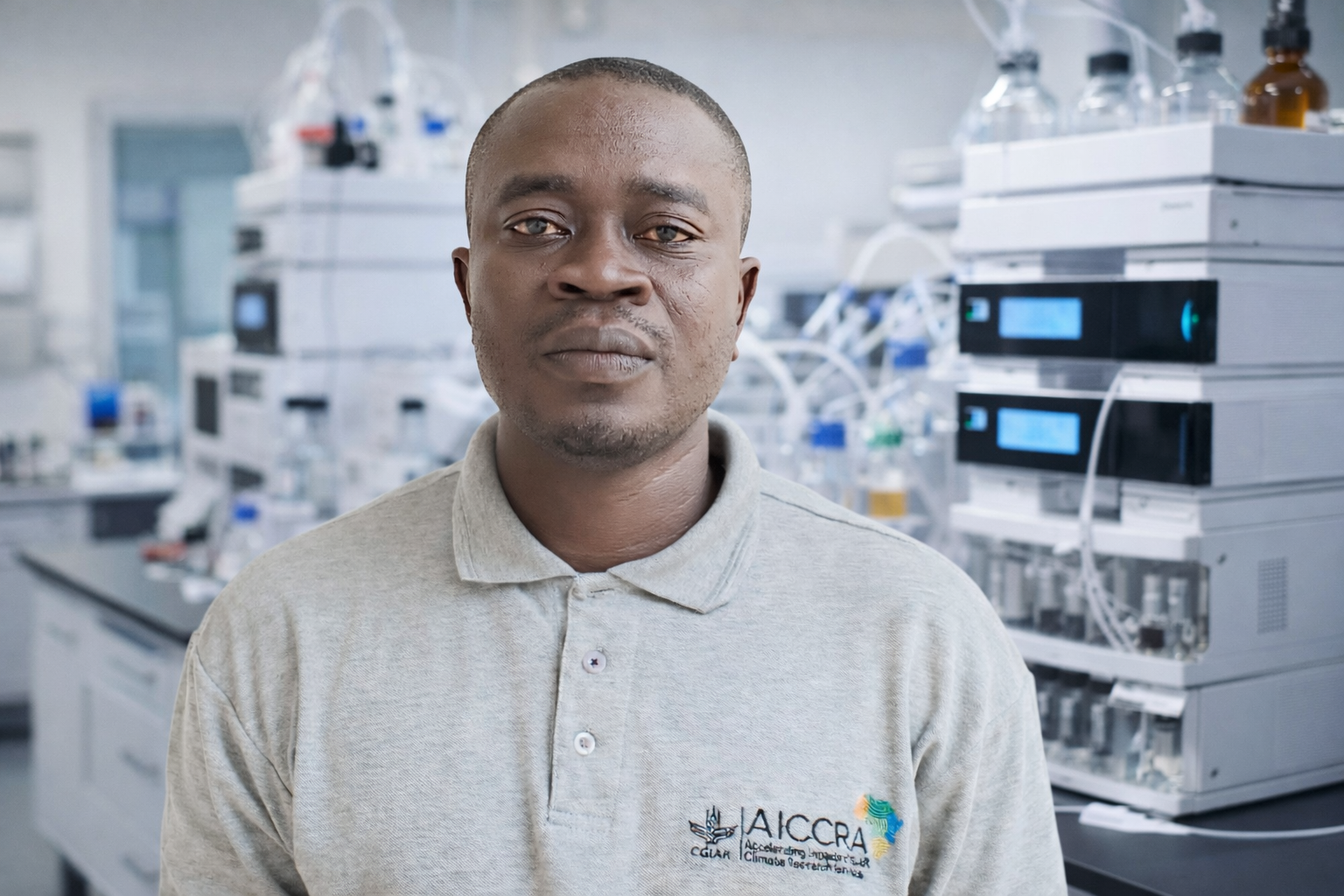
Employing (Home) Organisation: National University of Sciences, Technology, Engineering, and Mathematics (ENS/UNSTIM)
Project title: Harnessing molecular tools to link agricultural contaminants with insecticide resistance in malaria vectors: Capacity building and strengthening IITA-Benin capabilities
Based at ENS/UNSTIM and collaborate with IITA-Benin, my research focuses on vector biology, insecticide resistance, and sustainable pest control. My career spans field surveillance and laboratory analysis of resistance mechanisms to promote environmentally friendly interventions and food safety. I am deeply inspired by the AgroEcoHealth platform at IITA, which drove my commitment to integrated, eco-freindly research. This fellowship represents a vital step in advancing my mission to reduce pesticide reliance and improve public health outcomes through innovative, evidence-based strategies.
Summary of Project Destination
The rise of insecticide resistance in malaria vectors, driven by agricultural contaminants, poses a critical threat to public health in Benin. My research asks how specific farming practices and environmental pollution influence mosquito resistance across diverse agro-ecological zones. Using molecular and ecotoxicology tools, I will analyze the link between pesticide residues and vector survival to develop evidence-based mitigation strategies. After this fellowship, I aim to establish an independent research group at ENS/UNSTIM and IITA-Benin focused on AgroEco-Health. My goal is to bridge the gap between agriculture and public health by influencing policy and promoting pesticide-free crop production. Ultimately, this work will minimize vector control failure and build sustainable, eco-friendly health systems that protect both African communities and the environment.
Summary of Fellowship Plan
I will be placed at CRID under the mentorship of Prof. Wondji, gaining advanced expertise in functional genomics and molecular platforms for insecticide resistance. This placement provides access to cutting-edge mosquito biology research. Upon return, my home institution (ENS/UNSTIM), led by Prof. Djegbe, will support my transition to an independent investigator. They will provide access to essential equipment (qPCR, HPLC) and help establish a molecular biology and metabolomics platform to sustain and integrate my development.
Quote
"This placement at CRID empowers me to pioneer eco-friendly vector control strategies, bridging the gap between sustainable agriculture and global public health."
Proposed start date of the Fellowship is August 2026