

Employing (Home) Organisation: Centre for Research in Infectious Diseases
Project title: Building genomics, bioinformatics and leadership capacity in identifying and characterising hybrids schistosomes species and strengthening the Next Generation Sequencing platform of CRID-Cameroon
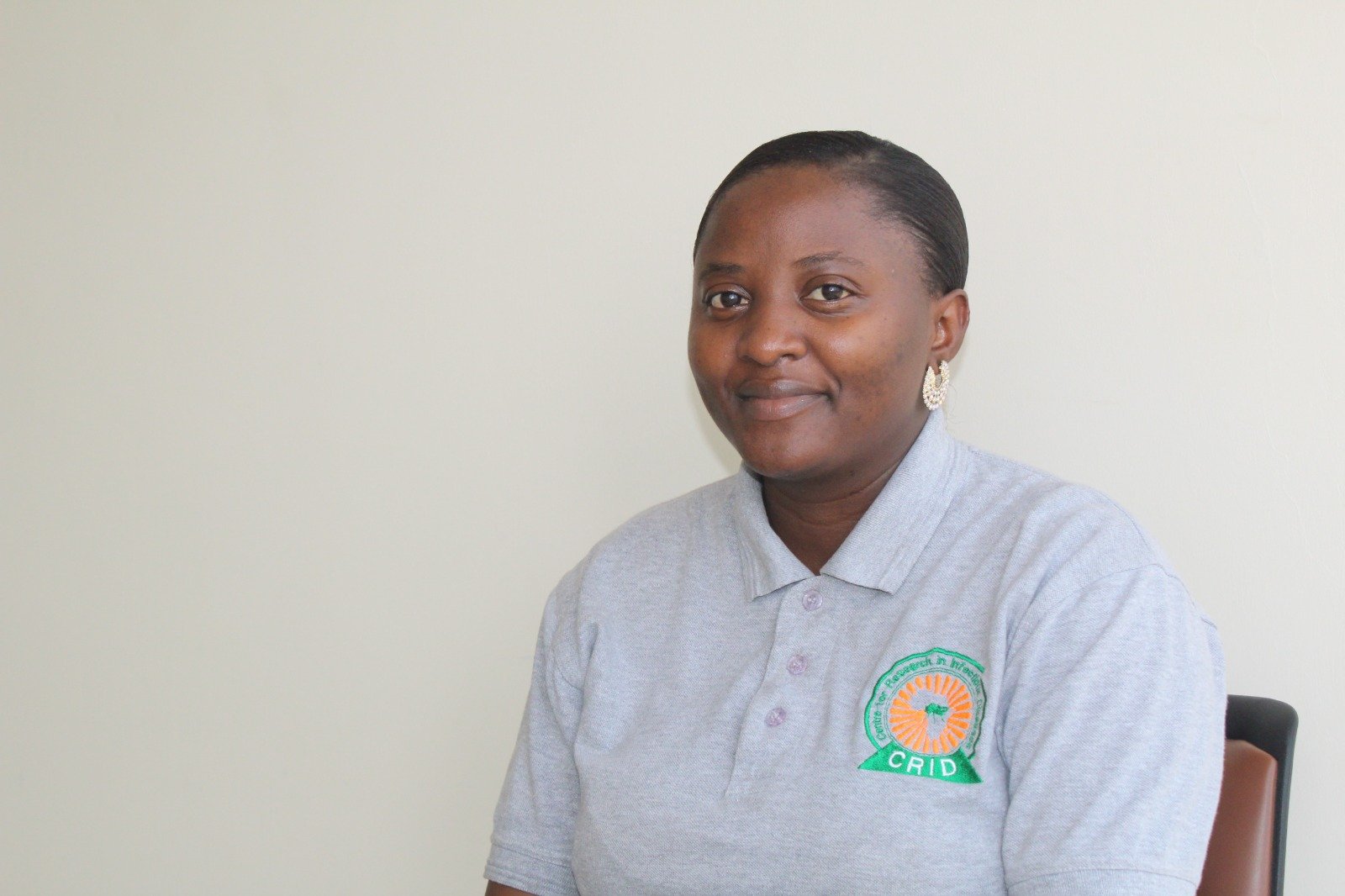
I am a post-doctoral assistant at CRID and passionate about promoting human and animal health in Africa. My research interests are expansive in the field of molecular parasitology, development of diagnostic tools, disease mapping and human genetics. I work mainly on vector-borne diseases such as Schistosomiasis and Malaria. During my PhD, I developed skills in detecting children infected with schistosomiasis using both parasitological, immunological and molecular biology tools as well identifying host genetic determinant associated with susceptibility to schistosomes infections.
Summary of Project Destination
Schistosomiasis remains a major public health problem especially in Africa. With the emergence of hybrids schistosomes species that could lead to the persistence of schistosomiasis in most endemic areas there is an urgent need to identify and characterize such schistosome species using high-throughput next generation technologies to understand their role in the disease transmission. I want to become a leading researcher in pathogens genomics and contribute in understanding the role of hybrid schistosomes species in the maintenance of schistosomiasis transmission. This AREF fellowship will provide me with an opportunity to develop strong skills in whole genome sequencing and data analysis of hybrid schistosome species at CRID enabling me to set a pathogen genomic platform in Cameroon limiting sample transfer abroad.
Summary of Fellowship Plan
The AREF fellowship will provide me with an urge opportunity to perform next-generation sequencing (NGS) and bioinformatics pipelines of schistosomes in Cameroon rather than sending samples abroad. I will travel to IGH in Nigeria to be trained on using confidently high-throughput NGS technologies to identify and characterize hybrid schistosomes. Subsequently, the technology gained will be transferred to Cameroon. I plan to contribute in setting up and strengthening CRID’s sequencing platform and also to train African scientist via seminars and trainings.
Quote
"Acquiring genomics, bioinformatics and leadership skills via this fellowship will increase expertise in pathogen genomics that are scare in our Institution and improve schistosomiasis control."
Proposed start date of the Fellowship is October 2026