


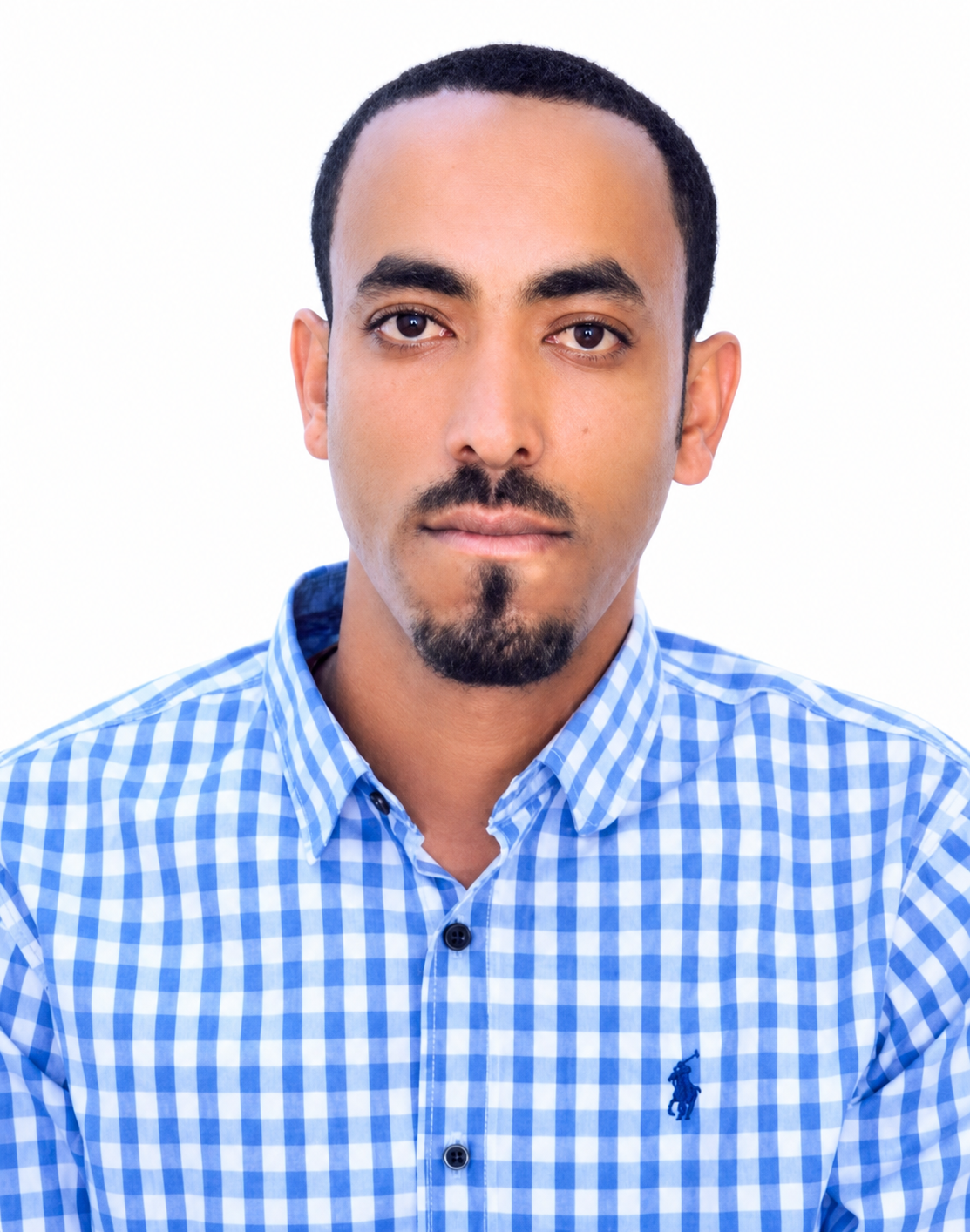
Employing institution: Debre Berhan University
Host institution: Department of Health Promotion at Sophiahemmet University in Sweden
Project title:
Capacity building for establishing a midwife-led continuity of care model and a midwife-led birthing center in Ethiopia. A midwife-led continuous quality improvement project
Dr. Solomon Hailemeskel obtained a PhD in Midwifery and Women's Health from the University of Gondar in 2023. Currently, Dr. Hailemeskel is serving as an Assistant Professor at Debre Berhan University. His research focuses on midwife-led continuity of care models and midwife-led quality improvement initiatives, aimed at enhancing the quality and accessibility of quality midwife-led healthcare for mothers and newborns, and ultimately improving health outcomes in these populations.
AREF Fellowship research project
Two-thirds of maternal and neonatal deaths and stillbirths could be averted if midwives meet international standards and are integrated into health systems. However, there are considerable variations in the organization of midwifery services and the education and role of midwives in the health care system. The midwife-led continuity of care (MLCC) model has been tested and proven to improve maternal and neonatal health outcomes in high-income countries. However, this model has not been tested or implemented in lower and middle-income countries, including Ethiopia, where the majority of maternal and neonatal mortalities occur.
The goal of the project is to increase the uptake of evidence-based MLCC practices by capacitating midwives to lead Quality Improvement initiatives in Ethiopia. Besides, it also aims to increase the level of evidence-based midwife-led practices and increase the capacity for midwives to lead quality improvement initiatives in maternal and newborn health along the continuum of care.
Dr. Hailemeskel will be participating in an experience-sharing program with Sophiahemmet University in Sweden to learn how to establish and implement an MLCC model. The project aims to enhance the integration and effectiveness of midwife-led care, leading to improved maternal and neonatal health outcomes in low- and middle-income countries by increasing the capacity of midwives to lead quality improvement initiatives.
Quote
"The AREF fellowship will be a tremendous opportunity for the development of my research career in the area of midwifery and women's health. It will enhance my prospects in implementation research, contributing to the successful implementation of MLCC and midwife-led quality improvement projects in lower- and middle-income countries aimed at improving maternal and child healthcare."
Dr Solomon expects to start his fellowship in September 2024