


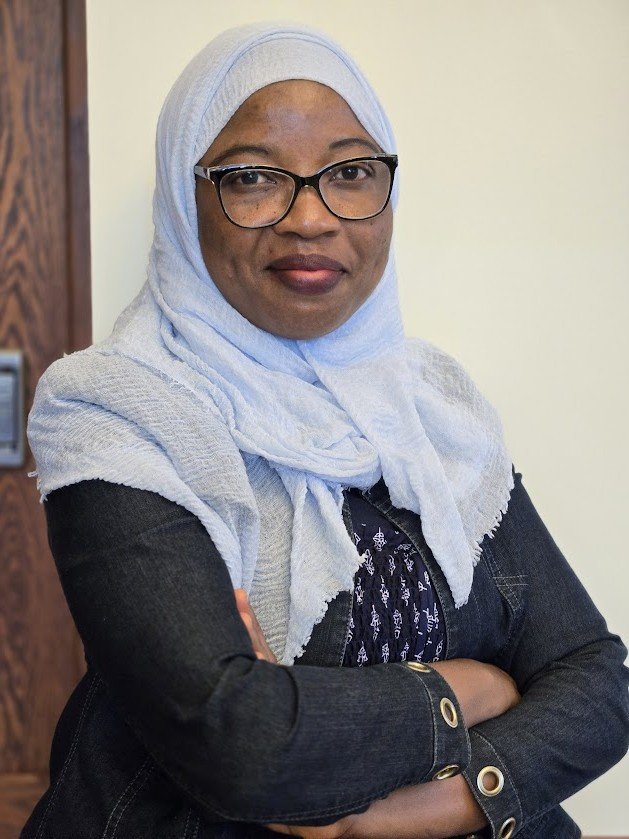
Employing (Home) Organisation: MRC Unit The Gambia at the London School of Hygiene and Tropical Medicine
Project title: Developing Capacity in CRISPR-Cas9 Gene Editing for Functional Validation of Insecticide Resistance Markers in Malaria Vectors
I am a malaria vector biologist with over 20 years of research experience and currently a postdoctoral research fellow at the MRC Unit The Gambia at the London School of Hygiene and Tropical Medicine. My research focuses on the genetics of insecticide resistance and the development of tools to monitor the spread of resistance in mosquito vectors. I was motivated to compete for the AREF RDF Award by the opportunity to acquire advanced skills and international mentorship to support my transition to research independence.
Summary of Project Destination
Insecticide resistance is a major threat to malaria vector control in Africa. Ivermectin is emerging as a promising complementary tool, but the potential evolution of resistance threatens its long-term effectiveness. My project asks how ivermectin resistance could arise in the primary malaria vector, Anopheles gambiae, and which mechanisms are likely to drive its emergence.
During this Fellowship, I will develop skills in CRISPR-Cas9 gene editing to functionally validate target-site resistance to ivermectin in An. gambiae. After the Fellowship, I will investigate and functionally validate additional resistance mechanisms, as well as develop molecular assays for ivermectin resistance surveillance. I will apply CRISPR-Cas9, along with other molecular biology tools to achieve these. My proposed study will support the sustainable implementation of ivermectin and strengthen evidence-based malaria vector control in Africa.
Summary of Fellowship Plan
My nine-month placement will be at the Liverpool School of Tropical Medicine, primarily in Prof. Tony Nolan’s laboratory, with additional mentorship from Dr. Gareth Lycett and Prof. Martin Donnelly. I will receive training in CRISPR-Cas9 experiments and take short online bioinformatics courses to strengthen my ability to analyse and interpret ‘omics’ data. On returning, MRCG@LSHTM will provide continued mentorship support to secure funding for my next project and facilitate capacity building in CRISPR-Cas9 at the Unit.
Quote
“I am confident that this placement will position me to establish independent functional genomics research and strengthen Africa-led responses to emerging resistance to new malaria control tools. ”
Proposed start date of the Fellowship is October 2026